Welcome to IEE

Healthy Buildings Start with Healthy Air

Indoor Environmental Engineering (IEE) brings +43 years of building science expertise to diagnose indoor air quality issues and design healthy, energy-efficient, and sustainable indoor environments.

43+
Years Experience
4300+
Office, hospital, school, laboratory, and single and multi-family residential buildings.
Healthy Indoor Air Quality
About IEE

Building Science Expertise for Healthy Indoor Air

Indoor Environmental Engineering (IEE) is a building science consulting firm with +43 years of experience diagnosing building air quality problems and designing healthy, energy-efficient, and sustainable indoor environments.

Our staff of professional engineers, building scientists, and industrial hygienists investigate ventilation and indoor air quality issues across office, hospital, school, laboratory, and single and multi-family residential buildings.

Modern Building
43+ Years Experience
What We Offer

Our Services Include

Healthy Building Services

Healthy Building Services

Healthy Building Design Services

A healthy building is designed to support good indoor air quality, occupant comfort, effective ventilation, energy performance, and long-term building operation. Achieving these goals requires more than selecting efficient equipment. Building design, HVAC systems, ventilation, filtration, moisture control, materials, construction practices, and ongoing maintenance all influence the indoor environment.

Healthy building design services help integrate these considerations into new construction, renovation, and existing-building improvement projects. Indoor Environmental Engineering (IEE) provides building science consulting, indoor air quality expertise, testing, and design services to help clients develop healthier, energy-efficient, and sustainable indoor environments.

What Are Healthy Building Design Services?

Healthy building design services focus on incorporating indoor environmental quality into the planning, design, construction, commissioning, and operation of a building.

A comprehensive approach can consider:

  • Indoor air quality
  • Ventilation and outdoor-air delivery
  • HVAC system design and performance
  • Air filtration and cleaning
  • Moisture and humidity management
  • Contaminant source control
  • Building materials and emissions
  • Air distribution
  • Construction-phase IAQ protection
  • Building commissioning and operation

IEE describes its healthy building work as combining consultation and testing for indoor environmental quality with IAQ management programs and building design strategies. Its team includes professional engineers, building scientists, and industrial hygienists who investigate ventilation and IAQ issues across offices, hospitals, schools, laboratories, and residential buildings.

Why Is Healthy Building Design Important?

People spend a significant amount of time inside buildings, making the quality of the indoor environment an important part of building performance. The U.S. Environmental Protection Agency identifies factors such as building characteristics, HVAC systems, temperature, moisture, humidity, building materials, furnishings, occupants, and outdoor air as factors that can affect indoor air quality.

A healthy building design approach considers these factors before they become difficult or expensive to address.

For example, an HVAC system may be energy efficient but still require appropriate outdoor-air delivery, filtration, controls, and maintenance to support acceptable indoor air quality. Similarly, improving building airtightness or energy efficiency should be coordinated with ventilation requirements so that indoor pollutant levels are not unintentionally increased.

Indoor Air Quality Design

Indoor air quality is a central component of healthy building design.

IEE’s healthy building services include IAQ consultation and testing for newly constructed buildings and existing-building renovations, as well as the development of IAQ management programs tailored to facility operations.

An indoor air quality design strategy may address:

  • Pollutant source control
  • Outdoor-air ventilation
  • Filtration
  • Air cleaning
  • Exhaust ventilation
  • Moisture control
  • Building material selection
  • Air distribution
  • HVAC operation and maintenance

EPA identifies three fundamental approaches for improving indoor air quality: source control, improved ventilation, and filtration or air cleaning.

Healthy building design incorporates these principles according to the building’s specific use, systems, location, and project requirements.

HVAC and Ventilation Design for Healthy Buildings

Ventilation is one of the most important components of indoor environmental quality. A building’s ventilation system needs to provide appropriate outdoor air while supporting effective air distribution and contaminant control.

ASHRAE Standard 62.1-2025 addresses ventilation and acceptable indoor air quality for applicable buildings and includes requirements related to mechanical and natural ventilation, filtration, controls, air-cleaning systems, and building operation and maintenance.

Healthy building design services can therefore involve evaluating how HVAC and ventilation systems interact with occupancy, space use, filtration, outdoor conditions, and potential contaminant sources.

For existing buildings, this may involve investigating whether systems are operating as intended. For new projects, these considerations can be incorporated during the design process.

Healthy Building Design for New Construction

Addressing indoor environmental quality during the early design phase can help project teams identify potential IAQ concerns before construction begins.

Healthy building design can incorporate IAQ objectives into:

  1. Site and building planning
  2. Architectural design
  3. HVAC and ventilation design
  4. Filtration and air cleaning
  5. Material selection
  6. Moisture management
  7. Construction practices
  8. Commissioning
  9. Building operation and maintenance

The ASHRAE Indoor Air Quality Guide specifically provides best-practice guidance for IAQ in building design, construction, and commissioning. It is intended for architects, design engineers, contractors, commissioning agents, and other professionals involved with indoor air quality.

Healthy Building Services for Existing Buildings

Healthy building design is not limited to new construction. Existing buildings can also benefit from indoor environmental assessments and improvement strategies.

IEE works with existing facilities to investigate ventilation and IAQ issues and develop approaches tailored to facility operations.

An existing-building assessment may examine:

  • HVAC performance
  • Outdoor-air delivery
  • Indoor air quality
  • Filtration
  • Moisture conditions
  • Potential contaminant sources
  • Air distribution
  • Building operation and maintenance

Testing and investigation can help establish existing conditions before recommendations are developed. This provides building owners and facility teams with technical information that can support decisions about improvements.

Healthy Building Consulting and Building Science

Healthy building design requires coordination between different aspects of building performance. Building science provides a framework for understanding how the building envelope, HVAC systems, ventilation, materials, moisture, occupants, and outdoor environment interact.

IEE combines building science consulting with indoor air quality investigation, engineering, and testing. This multidisciplinary approach can help project teams consider indoor environmental quality as part of the overall building design rather than treating it as a separate issue.

The goal is to develop practical strategies that support healthy indoor environments while considering building performance, energy use, maintenance, and project requirements.

Sustainable and Energy-Efficient Healthy Buildings

Healthy buildings and energy-efficient buildings do not have to be competing objectives. However, energy-efficiency improvements should be evaluated alongside ventilation and indoor air quality.

For example, increased air sealing can reduce uncontrolled air leakage, but ventilation still needs to be appropriately addressed. EPA notes that weatherization without maintaining proper ventilation can negatively affect indoor air quality.

A coordinated design approach can therefore consider energy performance, ventilation, filtration, moisture, pollutant sources, and occupant needs together.

Why Choose IEE for Healthy Building Design Services?

IEE brings together building science, engineering, indoor air quality, industrial hygiene, ventilation evaluation, and testing expertise.

Its Healthy Building Services work supports both newly constructed buildings and existing-building renovations, with services focused on indoor environmental quality and IAQ management.

Whether a project requires an IAQ design strategy, ventilation assessment, healthy building consultation, or an evaluation of an existing facility, IEE can help integrate indoor environmental considerations into practical building decisions.

Frequently Asked Questions

1. What are healthy building design services?

Healthy building design services integrate indoor air quality, ventilation, HVAC performance, filtration, moisture management, contaminant control, materials, commissioning, and building operation into the design and improvement of buildings.

2. What does healthy building design include?

Healthy building design can include IAQ planning, ventilation and HVAC design, filtration and air cleaning, moisture control, source control, material considerations, construction-phase IAQ protection, commissioning, and strategies for ongoing building operation.

3. Can healthy building design services be used for existing buildings?

Yes. Healthy building services can be applied to existing buildings through IAQ assessments, ventilation evaluations, HVAC investigations, testing, and development of improvement strategies tailored to the facility’s conditions and operations.

Professional Healthy Building Design Services

A healthy building begins with an integrated understanding of how its systems and occupants interact. IEE combines building science, engineering, indoor air quality expertise, testing, and consulting to help clients evaluate and improve indoor environments.

From new construction and renovation to existing-building assessments, healthy building design services can help project teams address indoor air quality, ventilation, filtration, moisture, HVAC performance, and other factors that contribute to a healthy and sustainable indoor environment.

Frequently Asked Questions

1. What are healthy building design services?

Healthy building design services integrate indoor air quality, ventilation, HVAC performance, filtration, moisture management, contaminant control, materials, commissioning, and building operation into the design and improvement of buildings.

2. What does healthy building design include?

Healthy building design can include IAQ planning, ventilation and HVAC design, filtration and air cleaning, moisture control, source control, material considerations, construction-phase IAQ protection, commissioning, and strategies for ongoing building operation.

3. Can healthy building design services be used for existing buildings?

Yes. Healthy building services can be applied to existing buildings through IAQ assessments, ventilation evaluations, HVAC investigations, testing, and development of improvement strategies tailored to the facility’s conditions and operations.

Professional Healthy Building Design Services

A healthy building begins with an integrated understanding of how its systems and occupants interact. IEE combines building science, engineering, indoor air quality expertise, testing, and consulting to help clients evaluate and improve indoor environments.

From new construction and renovation to existing-building assessments, healthy building design services can help project teams address indoor air quality, ventilation, filtration, moisture, HVAC performance, and other factors that contribute to a healthy and sustainable indoor environment.

Consulting services for a better indoor environment

Consulting services for a better indoor environment

Planning for the health and productivity of occupants

For the health and productivity of occupants

Read more
Diagnostic Services

Diagnostic Services

Indoor Air Quality Diagnostic Testing

Indoor air quality can affect the comfort and environmental conditions of homes, offices, commercial buildings, schools, and other occupied spaces. When unusual odors, visible moisture, occupant complaints, or concerns about airborne contaminants occur, determining the underlying cause requires more than simply collecting an air sample. Indoor air quality diagnostic testing combines building observations, targeted measurements, sampling, and laboratory analysis to help identify potential environmental concerns and determine appropriate next steps.

IEE provides diagnostic services to help evaluate indoor environmental conditions and investigate concerns that may affect a building. A diagnostic investigation can be tailored to the characteristics of the property, the reported problem, and the contaminants or environmental conditions being considered.

What Is Indoor Air Quality Diagnostic Testing?

Indoor air quality diagnostic testing is a systematic process used to investigate conditions that may be affecting the indoor environment. The testing approach depends on the specific concern. Rather than applying the same test to every building, an investigation should consider the building’s history, ventilation, moisture conditions, occupancy, reported symptoms or complaints, odors, visible conditions, and potential contaminant sources.

Depending on the circumstances, an indoor air quality investigation may involve indoor and outdoor air sampling, measurements, surface sampling, moisture evaluation, inspection of building materials, or other targeted diagnostic techniques.

The purpose of testing is to obtain useful information about the indoor environment and provide data that can be evaluated together with observations from the property.

When Is Indoor Air Quality Testing Needed?

There are several situations in which property owners, building managers, employers, or other stakeholders may consider an indoor environmental investigation.

Common reasons include:

  • Persistent or unusual indoor odors
  • Occupant complaints associated with a building
  • Suspected mold or moisture problems
  • Water intrusion, leaks, or previous flooding
  • Concerns about airborne contaminants
  • Questions about ventilation or HVAC conditions
  • Environmental concerns following renovation or construction
  • Suspected chemical emissions or other indoor sources
  • Need for documentation during an environmental investigation

A complaint does not necessarily identify the source of an indoor air quality problem. Likewise, the detection of a substance in a sample does not automatically establish that it is responsible for a particular complaint. This is why diagnostic testing should be interpreted in the context of the building and the reason for the investigation.

How Does Indoor Air Quality Diagnostic Testing Work?

A useful diagnostic investigation generally begins by defining the problem. Information about the building, reported concerns, previous environmental events, and areas of interest can help establish an appropriate testing strategy.

1. Review of Building Conditions

The investigation may begin with a review of the property’s condition and history. Potential sources of concern can include water intrusion, building materials, cleaning products, combustion sources, outdoor air infiltration, HVAC systems, and other activities occurring within or around the building.

2. Visual and Environmental Assessment

Observations can help identify conditions that may warrant additional evaluation. Moisture, staining, visible damage, odors, ventilation conditions, and other building characteristics may provide important context for selecting appropriate diagnostic methods.

3. Targeted Sampling and Measurements

Depending on the investigation, samples may be collected from selected indoor locations. Outdoor or reference samples may also be considered when they provide useful comparison information.

Sampling should be designed around the question being investigated. Targeted testing can help focus the investigation on relevant locations and potential sources instead of relying on unnecessary or unrelated testing.

4. Laboratory Analysis

When laboratory analysis is appropriate, collected samples can be analyzed using applicable analytical methods. The resulting data can help identify substances or environmental indicators associated with the samples.

Laboratory results should not be viewed in isolation. Their significance depends on sampling conditions, building characteristics, environmental observations, and the specific question being investigated.

5. Interpretation of Results

The final stage involves evaluating the available information together. A diagnostic investigation can help determine whether the results are consistent with the conditions observed at the property and whether additional investigation or corrective measures may be appropriate.

Moisture, Ventilation, and Indoor Environmental Conditions

Moisture and ventilation are important considerations when investigating indoor environmental concerns. Leaks, condensation, flooding, or other sources of water can affect building materials and create conditions requiring further assessment.

Ventilation can also influence indoor environmental conditions by affecting the movement and dilution of airborne substances. HVAC operation, outdoor air entry, filtration, and air distribution may therefore be relevant when evaluating a building.

A comprehensive indoor air quality diagnostic testing approach considers these factors rather than treating an air sample as the only source of information.

Why Professional Diagnostic Testing Matters

Indoor environmental concerns can have multiple potential sources. Two buildings with similar occupant complaints may have completely different underlying conditions. For this reason, testing should be based on the specific characteristics of the property and the question that needs to be answered.

Professional diagnostic services can help organize observations, measurements, sampling, and analytical information into an investigation that is relevant to the reported concern.

For property owners, facility managers, businesses, and other stakeholders, reliable environmental information can support informed decisions about further investigation, maintenance, remediation, or other appropriate actions.

Get Indoor Air Quality Diagnostic Testing

If you are dealing with persistent odors, suspected moisture problems, occupant complaints, or concerns about indoor environmental conditions, indoor air quality diagnostic testing can provide objective information to support an investigation.

IEE can evaluate the circumstances of an indoor environmental concern and determine an appropriate diagnostic approach based on the property and reported conditions.

Contact IEE to discuss your indoor air quality concerns and learn more about available diagnostic services.

Ventilation assessments

Frequently Asked Questions

What is indoor air quality diagnostic testing?

Indoor air quality diagnostic testing is a systematic investigation of indoor environmental conditions. Depending on the concern, it may include building observations, moisture or ventilation evaluation, air or surface sampling, measurements, and laboratory analysis.

What can indoor air quality testing detect?

The appropriate testing depends on the suspected concern. An investigation may evaluate airborne contaminants, moisture-related conditions, particulate matter, odors, chemical emissions, or other environmental factors. The specific testing method should be selected according to the building conditions and investigation objectives.

How do I know what indoor air quality test my building needs?

The appropriate test depends on the reported concern, building history, visible conditions, potential contaminant sources, ventilation, moisture, and other factors. A diagnostic evaluation can help determine which sampling or measurement methods are relevant instead of using a one-size-fits-all testing approach.

Read more
Laboratory Services

Laboratory Services

Indoor Air Quality Laboratory Services

Indoor air quality laboratory services provide the analytical and testing capabilities needed to evaluate contaminants, building materials, ventilation systems, and air-cleaning technologies. Indoor Environmental Engineering (IEE) provides specialized analytical and ventilation laboratory services to support indoor air quality investigations, building research, and healthy building design.

IEE has more than 43 years of experience in the indoor air quality field and works with professional engineers, building scientists, and industrial hygienists to investigate indoor environmental conditions in offices, hospitals, schools, laboratories, and residential buildings.

What Are Indoor Air Quality Laboratory Services?

Indoor air quality laboratory services involve the analysis and evaluation of samples and building systems to identify indoor contaminants, characterize environmental conditions, and support building-related investigations.

Laboratory analysis is an important part of an IAQ investigation because some contaminants cannot be reliably evaluated through visual inspection or field measurements alone. Samples collected from indoor environments may require specialized analytical methods and detection limits appropriate for non-industrial buildings.

IEE provides both analytical laboratory capabilities and a full-service ventilation laboratory to support different types of indoor air quality investigations and research.

Analytical Laboratory Services for Indoor Air Quality

IEE’s analytical laboratories support the analysis of a wide range of indoor air contaminants. The laboratory services use contaminant sampling and analytical techniques developed by agencies such as the EPA, OSHA, and NIOSH.

Indoor contaminants that IEE has experience sampling and analyzing include:

  • Volatile organic compounds (VOCs)
  • Formaldehyde and other aldehydes
  • Carbon monoxide
  • Carbon dioxide
  • Ozone
  • Nitrogen oxides
  • Sulfur oxides
  • Ammonia
  • Hydrogen sulfide
  • Metals
  • Lead
  • Asbestos
  • Isocyanates
  • PCBs
  • Pesticides
  • PAHs
  • Bacteria
  • Allergens
  • Airborne and surface fibers
  • PM2.5
  • PM10
  • Total airborne particulate
  • Environmental tobacco smoke
  • Sewer gas
  • Surface dust constituents

The appropriate laboratory analysis depends on the building concern, suspected contaminant, sampling method, and objectives of the investigation.

Indoor Air Contaminant Analysis

Accurate contaminant analysis requires laboratory methods that can detect target contaminants at concentrations relevant to indoor environments.

IEE notes that detection limits are particularly important for non-industrial environments such as homes, schools, hospitals, and offices. Concentrations of concern in these environments may be substantially lower than levels commonly evaluated in industrial settings.

IEE has developed specialized sampling and laboratory analytical techniques to support the low detection limits required for non-industrial indoor environmental investigations.

Laboratory results can then be evaluated together with field observations, ventilation measurements, building conditions, occupant concerns, and other investigation data.

Ventilation Laboratory Services

Indoor air quality depends not only on contaminant sources but also on how air moves through a building and how ventilation and filtration systems perform.

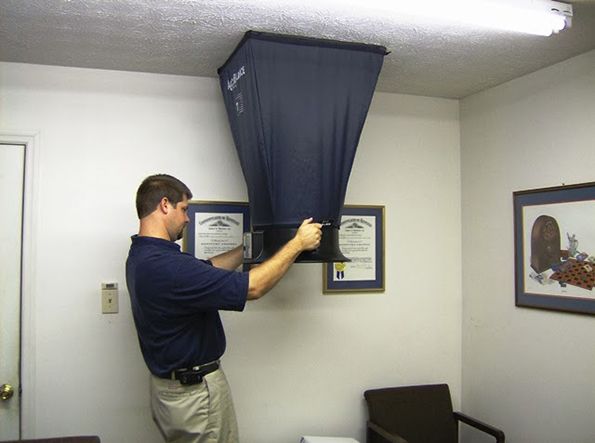
IEE operates a full-service ventilation laboratory with customized testing stations for evaluating:

  • Air cleaning and filtration devices
  • Building material and equipment emission rates
  • Ventilation air distribution equipment

These laboratory capabilities can help evaluate the performance of equipment and materials under controlled testing conditions.

Ventilation laboratory testing can be particularly useful when a project requires more than contaminant identification and needs an understanding of how building systems or products influence indoor environmental conditions.

Air Cleaning and Filtration Testing

Air cleaning and filtration equipment can play an important role in controlling indoor contaminants.

IEE’s ventilation laboratory includes customized testing stations for evaluating air cleaning and filtration devices. Laboratory testing can provide controlled performance information that can be considered alongside building ventilation requirements and indoor air quality objectives.

This type of testing may be relevant when evaluating equipment intended for offices, schools, healthcare environments, residential buildings, and other indoor spaces.

Building Material and Equipment Emission Testing

Building materials, furnishings, and equipment can contribute chemicals to indoor environments.

IEE provides testing capabilities for evaluating building material and equipment emission rates. Emission testing can help determine how individual materials may contribute to indoor chemical concentrations.

Testing may involve materials such as insulation products, composite wood products, paints, adhesives, sealants, flooring, and other building-related products.

Emission rate information can also be used with building characteristics and ventilation conditions to evaluate potential indoor concentrations during building design or when investigating existing indoor air quality concerns.

Laboratory Services for IAQ Investigations

Laboratory analysis is often one component of a larger indoor air quality investigation.

IEE’s diagnostic services include proactive IAQ CheckUps, reactive inspections, and forensic investigations. Its engineers and industrial hygienists evaluate building environments and ventilation systems and use investigation findings to develop conclusions regarding indoor air quality and potential mitigation measures.

Depending on the project, laboratory services may be combined with:

  • Indoor air quality testing
  • Indoor air quality investigations
  • Ventilation evaluations
  • Building inspections
  • Contaminant sampling
  • Building material emission testing
  • Airflow and pressure measurements
  • Moisture and mold assessments

Combining laboratory data with field investigation findings can provide a more complete understanding of indoor environmental conditions.

Indoor Air Quality Laboratory Testing for Different Buildings

Indoor air quality laboratory services can support investigations and research across a range of building types.

IEE’s experience includes:

  • Office buildings
  • Hospitals
  • Schools
  • Laboratories
  • Single-family residences
  • Multi-family residential buildings

The appropriate sampling strategy and laboratory analysis depend on the building type, suspected source, occupant concerns, and objectives of the investigation.

Why Laboratory Detection Limits Matter

Indoor environments often require analytical sensitivity that is appropriate for relatively low contaminant concentrations.

A laboratory result is useful only when the analytical method can detect the target contaminant at a level relevant to the investigation. For this reason, selecting appropriate sampling methods, analytical techniques, and detection limits is an important part of indoor air quality testing.

IEE’s laboratory approach is designed to address the analytical requirements of non-industrial indoor environmental investigations, where concentrations of interest may be considerably lower than those encountered in industrial environments.

Why Choose IEE for Indoor Air Quality Laboratory Services?

IEE combines laboratory capabilities with building science, engineering, industrial hygiene, and indoor air quality investigation experience.

With more than 43 years of experience in the IAQ field and more than 4,300 building investigations and research studies, IEE provides laboratory and diagnostic services within a broader building science approach.

This allows laboratory results to be considered in the context of building operation, ventilation, contaminant sources, occupant concerns, and other environmental conditions rather than as isolated analytical results.

Frequently Asked Questions

What do indoor air quality laboratory services test for?

Indoor air quality laboratory services can analyze a wide range of contaminants, including VOCs, formaldehyde, bacteria, allergens, asbestos, metals, particulate matter, carbon monoxide, carbon dioxide, pesticides, PCBs, and other indoor environmental contaminants. The appropriate analysis depends on the objectives and conditions of the investigation.

Why are laboratory detection limits important for indoor air quality testing?

Detection limits determine how small a concentration of a target contaminant a laboratory method can reliably identify. Indoor environments such as homes, schools, hospitals, and offices may require lower detection limits than industrial environments because contaminants of concern can occur at relatively low concentrations.

Does IEE provide ventilation laboratory testing?

Yes. IEE has a full-service ventilation laboratory with customized testing stations for evaluating air cleaning and filtration devices, building material and equipment emission rates, and ventilation air distribution equipment.

Indoor Air Quality Laboratory Services from IEE

Indoor air quality laboratory services can provide critical analytical and controlled testing capabilities for understanding contaminants, building material emissions, filtration performance, and ventilation-related conditions.

IEE combines analytical laboratory services, ventilation laboratory testing, field investigations, and building science expertise to support indoor air quality assessments and healthy building projects.

Contact Indoor Environmental Engineering to discuss the laboratory testing and indoor air quality services appropriate for your building or research project.

Read more
Sustainable Building

IEE is committed to the advancement of healthy indoor environments that are both energy efficient and sustainable.

Research & Insights

Publications

Chemical Emissions From Spray Polyurethane Foam (SPF) Insulation

Improperly mixing, storage, or application of SPF chemicals can result in harmful indoor air concentrations that can persist for decades.

Read more

GPS Law Suit Against IEE and Francis “Bud” Offermann is Dismissed

Read the court order granting joint stipulation of dismissal with prejudice and the settlement agreement.

Read more

Beware the COVID-19 Snake Oil Salesmen are Here

And they are out to sell you air cleaners that they promise will eliminate the SARS-CoV-2 airborne virus that causes COVID-19.

Read more

Managing Indoor Concentrations of Wildfire Smoke in Classrooms During the COVID-19 Pandemic

The COVID-19 pandemic presents a unique challenge to building operators/engineers approach to controlling indoor concentrations of wildfire smoke.

Read more

California Wildfire Smoke Protection

How much protection does your building provide you from the wildfire smoke? See how to calculate your Building Protection Factor.

Read more

Use With Adequate Ventilation ???

Paints, strippers, cleaners, and adhesives often contain toxic chemicals that when used can result in exposures that cause acute adverse health effects, including death. Manufacturers can and should provide users with how much ventilation (cfm) is adequate.

Read more

Laminate Flooring Formaldehyde

Laminate flooring from Lumber Liquidators has been found to emit large quantities of formaldehyde. How to test the air in your home and emissions from this flooring.

Read more

The Hazards of E-Cigarettes

E-cigarettes are marketed as only producing harmless water vapor. However published literature shows that e-cigarettes contain many chemicals, including some that are carcinogenic.

Read more
Our Partners

Trusted By Industry Leaders

usgb
abih
aiha
astm
carb
epa
logo-isiaq
osha
Real Time Analytics